Available for Danish teamsAI automation for Denmark
AI automation for Danish small teams that value trust and compliance
Danish small teams have the digital maturity to adopt AI automation, but they are careful about where customer data goes and what the rules require. I build practical automation that removes manual work, keeps data handling GDPR-safe and inside the EU, respects the EU AI Act, and starts with a small, measurable pilot instead of a big promise.
A good fit for Danish small businesses and teams who want honest, working automation with clear data boundaries, not a chatbot demo. I am a senior engineer running a small studio remotely from Spain, in the same timezone as Denmark, so we share a full working day.
Where AI automation actually helps a Danish team
The team repeats the same manual workflow
Copying data between tools, re-typing the same information, manual document handling. With Danish labour costs high and the working week short, that time is expensive. I automate the specific process end to end so people stop doing it by hand.
You are wary of sending customer data outside the EU
GDPR and Datatilsynet, the Danish data protection authority, make this a real concern, not a technicality. I design setups that keep data in the EU and map exactly what goes where before anything is built.
Every AI pitch sounds like hype
You have seen chatbot demos that solve nothing. I focus on the boring, measurable process that actually costs your team time, and say plainly when AI is not the right tool.
Knowledge is scattered across email and spreadsheets
Answers live in old threads, shared drives, and people's heads. I build a private search or assistant over your own content so the team finds answers fast.
You do not know what the EU AI Act means for you
Most small-team automation is low-risk, but the AI Act adds transparency and risk-tier obligations that are not always obvious. I flag where the AI Act and GDPR touch your use case before we build, not after.
A past AI experiment was unreliable
A demo worked once, then drifted or made things up. I add observability and guardrails so an automation is monitored, not just launched and forgotten.
What an automation project includes
A single, well-chosen pilot first
We start with one process that clearly costs time, prove it works with a measurable pilot, then expand. No boiling the ocean.
GDPR-safe, EU-based data handling
Customer and business data stays in the EU where the use case needs it, with a clear map of what goes where and why, in line with Datatilsynet expectations.
Integration with tools you already use
The automation connects to the systems your team runs day to day through their APIs, including payment and invoicing flows with MobilePay, Dankort, or EU VAT (moms) where relevant.
Observability and guardrails
Logging, checks, and fallbacks so you can see what the automation did and trust it in production.
Documentation and handover
A written explanation of how it works and how to change it, so the tool is not a black box only I understand.
How an automation project runs
Each step is scoped and quoted before it starts. We prove value on a small pilot before investing in a larger build.
Find the right pilot
We look at where time actually goes and pick one process with a clear payoff and acceptable data boundaries under GDPR and the AI Act.
Build the pilot
I build a working pilot of that one process so you can see the result and measure it before committing to a full setup.
Production setup
We harden it: integrations, EU-based data handling, observability, and guardrails, then put it into daily use.
Support and expand
I keep it healthy and, once it has earned its place, automate the next process.
Automation pricing
Starting points for AI automation in Denmark
Automation audit
from €750
one-off
An honest review of where automation would actually pay off, including GDPR, AI Act, and data-flow implications.
- Review of current manual workflows
- GDPR and data-flow assessment
- Written, prioritized recommendations
Pilot automation
from €4,000
per project
A working pilot for one process, built and measured before you commit to anything larger.
- One process, built end to end
- GDPR-safe, EU-based data handling
- Clear recommendation on next steps
Full workflow build
from €5,000
per project
A production automation covering multiple steps or data sources, scoped after a successful pilot.
- Integration with your existing tools
- Observability and guardrails
- Documentation and handover
Care plan
from €750
per month
Ongoing monitoring and small changes so the automation keeps working as your process evolves.
- Monitoring and health checks
- Small changes and tuning
- Cancel anytime
Business days, not a 24/7 SLA. Larger features, redesigns and pre-existing issues are quoted separately.
All prices are starting points in EUR and depend on scope (roughly 7.46 DKK per EUR). I work remotely from Spain with clients across Denmark and the rest of Europe, EU to EU, so your data stays inside the EU throughout. Other currencies quoted on request.
Relevant production automation work
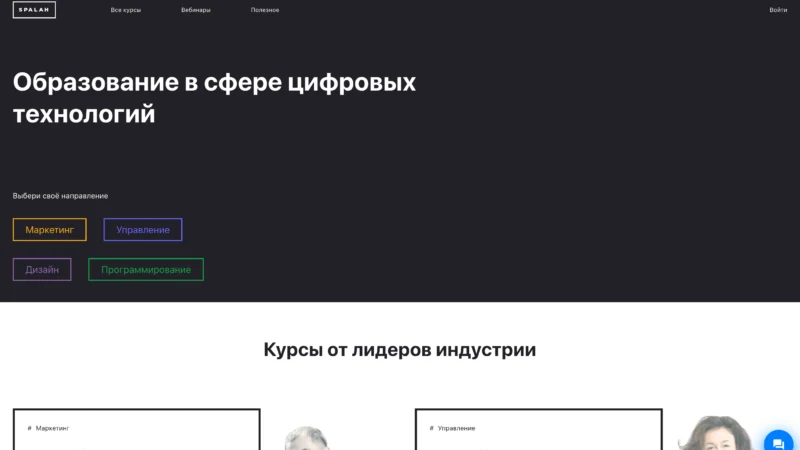
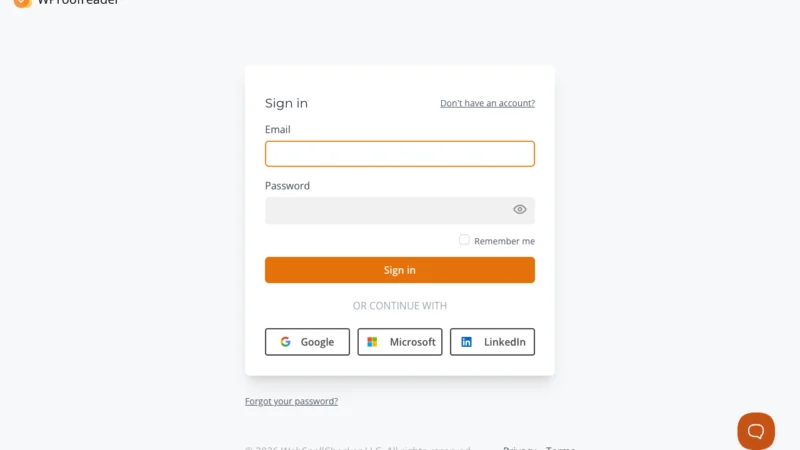
Real systems where automation removed manual work, including Spalah CRM, an internal business platform, and WProofreader, a SaaS platform. Each links to a longer write-up.
Related reading
Background on how I build and monitor AI agents in a real development workflow.
Other things I can help with
Your site is slow, updates break things, or customers cannot complete checkout. I find the real cause, fix the critical path, and leave you with a site your team can safely operate.
View case study →
Turn a product idea or an unfinished platform into software people can actually use and pay for, including subscriptions, onboarding, dashboards, integrations and reliable releases.
View case study →
I set up AI coding agents for your team: Claude Code or Codex with project context, rules, subagents and checks, so they help with real tasks instead of producing code nobody trusts. Review and responsibility for changes stay with engineers.
View case study →
Keep the business running while an old PHP, Laravel, or WordPress system is made safer and easier to change. Improvements are delivered in controlled steps, not as a risky big-bang rewrite.
View case study →
Monthly technical support
For businesses that need someone to know the system and take care of it every month: updates, monitoring, fixes, and small improvements without briefing a new contractor each time.
See the full picture of how I work →
Related services and Denmark pages
If you need more than automation, see the general AI automation service, or the Laravel developer and web development Denmark pages for related work.
Frequently asked questions
Is my customers' data safe? Does it leave the EU?
Where the use case needs it, data stays on EU-based infrastructure and is handled under GDPR, in line with what Datatilsynet expects. I work EU to EU from Spain, so nothing crosses outside the EU as a default. I map exactly where data goes before any work starts, and I say plainly if a tool cannot meet that bar.
What about the EU AI Act? Do I need to worry about it?
Most small-team automation falls into the low-risk category, but the AI Act still brings transparency and documentation obligations depending on the use case. I assess where your automation sits in the risk tiers before we build and keep it on the right side of both the AI Act and GDPR.
Is this just AI hype, or something that actually helps a small team?
I focus on the boring, repetitive process that is provably costing you time, not a chatbot for its own sake. If a use case does not justify AI, I will tell you and suggest plain automation instead. The pilot step exists so you can judge real value before spending more.
You are remote from Spain, not Denmark. Does that matter?
No local office, and I will not pretend otherwise. I work fully remotely from Spain, in the same timezone as Denmark, so we share a full working day with complete overlap. The work happens through code, your APIs, and calls, and it is EU to EU, which keeps data handling straightforward under GDPR.
What does this cost, and can we start small?
Starting points are in EUR and depend on scope: an audit from €750, a pilot from €4,000 (roughly 7.46 DKK per EUR). We always start with a small, measurable pilot before a larger build, so you see real value before committing further.
What can realistically be automated for a small team?
Most wins come from unglamorous places: copying data between tools, drafting repetitive replies, searching scattered documents, reconciling payments and invoices. I look at where your team's time actually goes and pick one process with a clear payoff rather than promising to automate everything at once.
Will I get locked into one AI tool or vendor?
No. The automation is built around your data and your processes, not tied to a single vendor by design. Code and documentation are handed over, so you can change tools or bring the work in-house later if you want to.