Taking on new Denmark projectsWeb development in Denmark
Web development for Danish SMBs and startups, without the Copenhagen agency day rate
You need a new website, a custom web application, or a proper product build, and the day rates from Copenhagen agencies and consultants are among the highest in Europe. I build and ship production websites and web apps for a fraction of that, with the same senior-level engineering, just delivered remotely from Spain, where we share the same timezone as Denmark.
A good fit for Danish SMBs, founders, and early-stage startups in Copenhagen, Aarhus, Odense, or anywhere else who need a solid website or web application built properly, without a senior consultant day rate attached to every hour.
Why Danish businesses end up here
Danish agency and consultant day rates are among the highest in Europe
Senior developer day rates in Copenhagen and Aarhus sit at the top of the European range. A straightforward business site or internal tool should not cost what those day rates add up to across a project.
Hiring in-house means committing to flexicurity salaries
Danish flexicurity makes hiring and letting go easy, but salaries, the 37-hour week, five to six weeks of holiday, and feriepenge make a full-time developer a heavy fixed cost. A fixed-scope remote studio gets the build done without adding a permanent role.
You need a new site, not a template patch
A theme builder or a cheap template will not hold up once you need real functionality, integrations, or a design that actually reflects the business. You need something built to your requirements.
The project is really a web application, not a brochure site
A booking system, a customer portal, an internal tool, or a product idea that needs a working prototype. Denmark is a digital-first market, and this needs proper software engineering, not a page builder.
GDPR and Datatilsynet expectations need to be right from the start
Operating in Denmark and the EU means data handling, hosting, and forms have to satisfy GDPR and Datatilsynet, the Danish data protection authority, from day one, not retrofitted after a customer or regulator asks questions.
A .dk presence with room to grow
You want a site on a .dk domain that looks credible to Danish customers today and can grow into a bigger platform later, without a rebuild every time the business changes.
What a web development engagement includes
Requirements and scoping
A short discovery phase to pin down what the site or application actually needs to do, so the build starts from a real plan instead of a guess.
Custom website or web application build
A site or product built to your requirements, whether that is a marketing site, a customer-facing portal, or an internal business tool.
GDPR-aware architecture
Forms, analytics, hosting, and data storage set up with EU data handling and Datatilsynet expectations in mind from the start, not bolted on after launch.
.dk domain and hosting setup
Help getting the site live on a .dk domain with sensible, EU-friendly hosting, without needing an agency to manage the handover.
Care plan after launch
Optional ongoing support for updates, monitoring, and small changes once the site or application is live, so you are not left maintaining it alone.
How a project runs
You know the scope and the price before real work starts. No open-ended hourly billing and no surprise invoices halfway through, which fits the direct, trust-based way Danish businesses prefer to work.
Discovery call
We talk through what you need the site or application to do, your timeline, and your budget, so I can tell you honestly what fits. Direct and to the point, the way Danish teams like it.
Scoped proposal
You get a written scope and a fixed or milestone-based price before any development starts, so there are no surprises.
Build in stages
Work is delivered in visible chunks with regular check-ins, so you see progress and can adjust course early if priorities shift.
Launch and handover
You get a live site, documentation, and full access. Ongoing care is optional, not a condition of the project.
Web development pricing
Starting points for web development in Denmark
Discovery and scoping
from €600
one-off
A short discovery phase to define what needs to be built, so the proposal is based on real requirements rather than a guess.
- Requirements and scope document
- Technical approach and stack recommendation
- Fixed-price or milestone proposal for the build
Website build
from €3,500
per project
A custom-built business or marketing website, designed and developed to your requirements rather than assembled from a template.
- Custom design and development
- GDPR-aware forms and analytics setup
- .dk domain and hosting handover
Web application / product build
from €8,000
per project
A custom web application, internal tool, or product build, including a working first version you can put in front of real users.
- Full-stack application architecture
- Database, authentication, and integrations
- Deployment, documentation, and handover
Care plan
from €750
per month
Ongoing support after launch: updates, monitoring, small feature requests, and a direct line to the person who built it.
- Managed updates and monitoring
- Incidents prioritized within the agreed scope
- Cancel anytime
Business days, not a 24/7 SLA. Larger features, redesigns and pre-existing issues are quoted separately.
All prices are starting points in EUR and depend on scope. At roughly 7.46 DKK per EUR, you can read them in kroner easily enough. I work remotely from Spain with clients across Europe, including Denmark, and Spain shares the same CET timezone as Denmark, so we get a full working-day overlap for real-time collaboration. Every project starts with scoping so the final quote reflects what you actually need built.
Relevant web development work
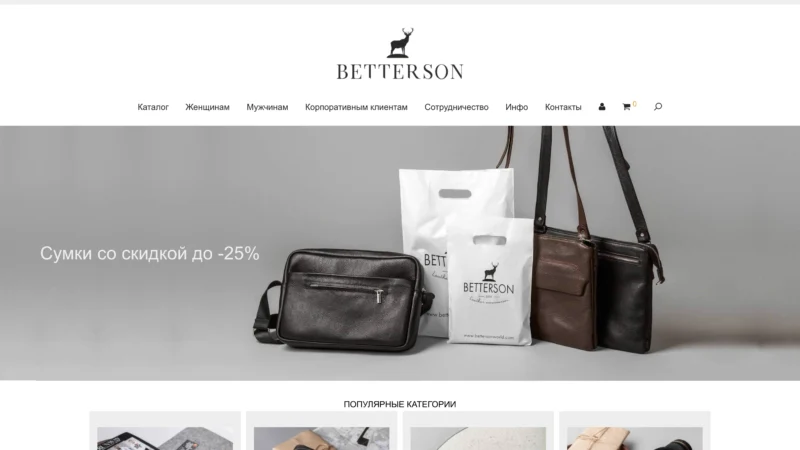
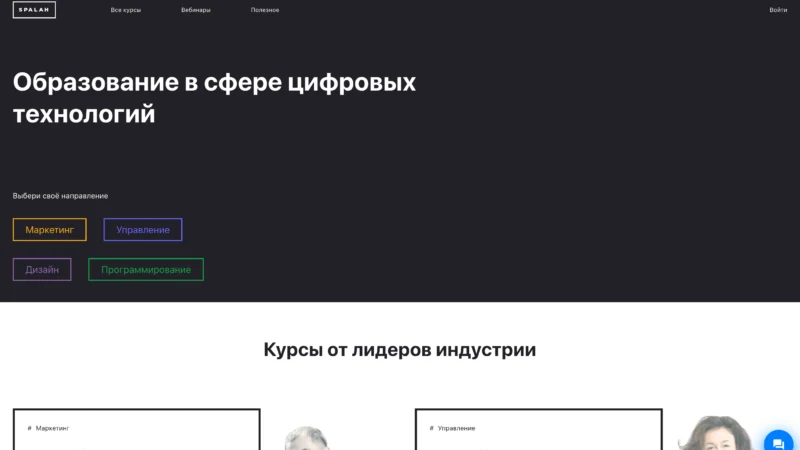
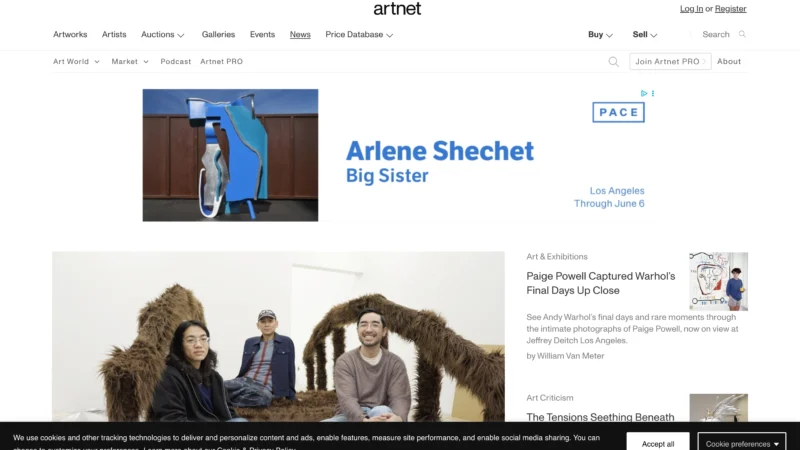
A few production web systems I have built and scaled, from e-commerce to internal business platforms and media applications. Each links to a longer write-up.
Related reading
Background on how I approach scalable web applications and the Docker-based workflows behind them.
Other things I can help with
Your site is slow, updates break things, or customers cannot complete checkout. I find the real cause, fix the critical path, and leave you with a site your team can safely operate.
View case study →
Turn a product idea or an unfinished platform into software people can actually use and pay for, including subscriptions, onboarding, dashboards, integrations and reliable releases.
View case study →
I set up AI coding agents for your team: Claude Code or Codex with project context, rules, subagents and checks, so they help with real tasks instead of producing code nobody trusts. Review and responsibility for changes stay with engineers.
View case study →
Keep the business running while an old PHP, Laravel, or WordPress system is made safer and easier to change. Improvements are delivered in controlled steps, not as a risky big-bang rewrite.
View case study →
Monthly technical support
For businesses that need someone to know the system and take care of it every month: updates, monitoring, fixes, and small improvements without briefing a new contractor each time.
See the full picture of how I work →
Related services and Denmark pages
If your project is specifically a WordPress build, a Laravel application, or you want to bring in a remote developer directly, see the dedicated pages below alongside the core web development service.
Frequently asked questions
You are based in Spain, not Denmark. Does that matter for the project?
Not in practice. Spain and Denmark share the same CET timezone, so we overlap the full working day for calls, reviews, and quick questions. Everything is delivered remotely through Git, staging environments, and video calls, the same way most modern web development is handled regardless of location. I am honest about it: a senior engineer running a small studio from Spain, working remotely with Danish clients. There is no local office and no local-presence claim.
How does this compare to hiring a Copenhagen agency or in-house developer?
Danish senior developer day rates are among the highest in Europe, and hiring in-house adds a flexicurity salary, holiday, and feriepenge as a permanent fixed cost. I run a small studio and do the engineering myself on a fixed scope, so you are paying for the work, not agency overhead, account management layers, or a full-time role you have to keep busy after launch.
How do you handle GDPR, Datatilsynet, and EU data requirements?
Data handling, hosting location, and consent flows are considered from the scoping stage, not added afterward. As an EU-based developer working with EU clients, GDPR compliance and Datatilsynet expectations are a standard part of how I build forms, analytics, and storage, not an extra line item.
Can you handle Danish e-commerce specifics like MobilePay and Dankort?
Yes. Danish shoppers expect MobilePay and Dankort at checkout alongside cards, and moms at 25 percent has to be handled correctly. I set up payment and VAT flows that match how Danish customers actually pay, rather than a generic checkout that feels foreign to them.
What if my project turns out to be smaller than I thought?
I will tell you. Scoping sometimes shows that a simpler build or a smaller phase covers what you actually need right now, and I would rather quote that honestly than pad the project to hit a bigger number. Straight talk is how I prefer to work, and it tends to match Danish business culture.
What about availability and ongoing communication during the project?
Because Spain and Denmark share the same timezone, the working-day overlap is full, so scheduling calls or getting a same-day answer is straightforward. You are not waiting overnight for responses the way you might with an offshore team in a distant timezone.