The system is business-critical but too risky to change
A small change could disrupt operations, and nobody wants to be the one who breaks it. I map the system, add safety nets, and make it possible to change code with confidence again.
Legacy modernization for Denmark
Many established Danish businesses, mid-size firms in Copenhagen and Aarhus, e-commerce operators, professional services, and long-running SMEs, depend on an ageing PHP, .NET, or WordPress system that is too important to switch off but too risky to touch. I stabilize it and modernize it in careful, incremental steps, so it keeps running while it gets safer to change and easier to integrate with the digital infrastructure Danish users expect.
A good fit for Danish businesses on legacy systems who cannot accept a risky big-bang rewrite, need to stay GDPR compliant and integrate cleanly with services like MitID, NemKonto, and e-Boks, and need a senior engineer who treats the running business as the priority.
A small change could disrupt operations, and nobody wants to be the one who breaks it. I map the system, add safety nets, and make it possible to change code with confidence again.
Danish flexicurity makes it hard to keep scarce senior maintainers of an old system on staff, and the person who built it often left years ago with the knowledge. I reconstruct how it works through a structured audit, without needing the original author around.
End-of-life PHP, an unsupported framework, an old CMS, or abandoned plugins with known security issues. I plan and execute a careful upgrade path with backups and rollbacks.
Users and partners increasingly expect the system to work with MitID, NemKonto, e-Boks, and public-sector services, and old code cannot keep up. I modernize the integration layer so the system fits the digital ecosystem it now lives in.
Datatilsynet, auditors, or clients are asking questions the current system cannot answer cleanly: what data is held, who changed what, when, and why. I bring in version control, tests, and a documented change process that holds up to scrutiny.
The system was fine years ago but now struggles under load during busy periods. I profile it and modernize the parts that matter, including the web server and infrastructure layer.
Every engagement starts with a deep audit that produces a prioritized roadmap, so you invest in the right order and understand the real state of the system before committing to a plan.
Tests on the critical paths, staging environments, backups, and a rollback plan, so modernization never puts a running business at risk.
PHP, framework, and dependency upgrades done in controlled steps, each verified before the next, instead of one big risky jump that could take the system down.
Version control, a documented change process, and a written record of the architecture and its risky areas, useful for both GDPR readiness and day-to-day handover.
The architecture, the risky areas, and the deploy process written down, so the system is never locked in one person's head again.
Modernization is delivered in controlled, incremental steps, each scoped and quoted before it starts, so the business keeps running and is never exposed to a risky big-bang change.
I review the code, dependencies, tests, deployment, and infrastructure, then produce a written report on the real state and risks, including GDPR and integration gaps if relevant.
You get a prioritized roadmap: what to stabilize first, what to upgrade, and what can wait, with costs per step.
We work through the roadmap in steps, each on staging, tested, and released with a rollback path, timed to avoid disrupting operations.
You get full documentation and access. If you want, I stay on to keep the system healthy and reduce key-person risk going forward.
Modernization pricing
from €950 one-off
A thorough review of the system that produces a prioritized modernization roadmap with costs per step, including GDPR and integration gaps.
from €2,500 per month
Executing the roadmap in controlled steps: upgrades, tests, and stabilization, each scoped before it starts and timed around your business calendar.
from €6,000 per project
A scoped rebuild of the parts of the system that are genuinely cheaper to replace than to keep patching, agreed after the audit, not sold before it.
from €300 per month
Keeping a modernized system healthy: updates, monitoring, and a senior engineer who already knows it, reducing key-person risk long term.
These are starting points in EUR (roughly 7.46 DKK per EUR, before 25% moms) and depend on the scope and current state of the system. High local senior day rates make a big-agency rewrite prohibitively expensive, so incremental modernization by a remote senior is the pragmatic alternative. Modernization always starts with an audit, because the cost of the work depends entirely on what is actually there. I work remotely from Spain, which shares the same timezone as Denmark, so the working day overlaps yours in full.
A couple of long-running production systems I have worked on, including Artnet News, a large media platform, and WebSpellChecker, a commercial platform. Each links to a longer write-up.
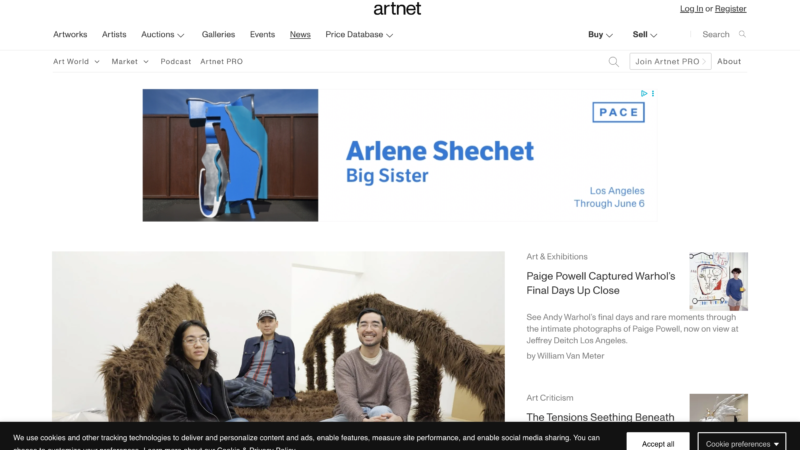
Senior Full-Stack Engineer — Freelance
Full-stack engineering for one of the world's largest art media platforms: 11 custom WordPress plugins, a Leaky Paywall metered subscription…
View case study →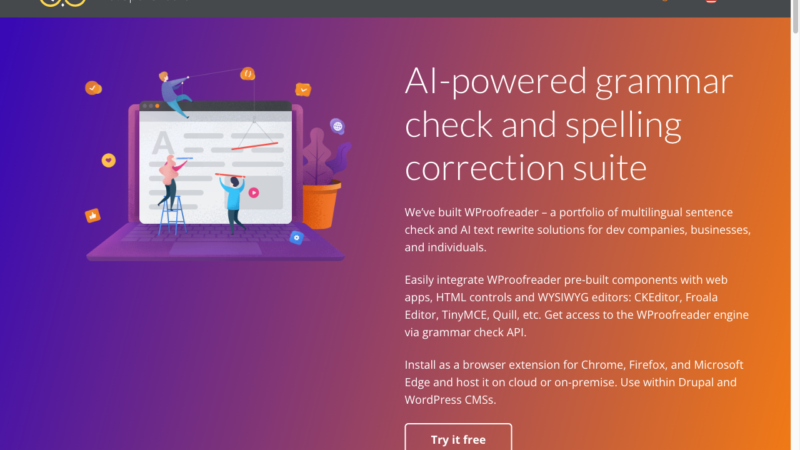
WordPress Engineer & Platform Lead
Corporate site and commercial platform built from scratch: WooCommerce subscriptions, a custom licensing REST API, 4 custom plugins, 15+ page…
View case study →How I think about performance, infrastructure, and clean architecture when modernizing old systems.
Your site is slow, updates break things, or customers cannot complete checkout. I find the real cause, fix the critical path, and leave you with a site your team can safely operate.
Turn a product idea or an unfinished platform into software people can actually use and pay for, including subscriptions, onboarding, dashboards, integrations and reliable releases.
I set up AI coding agents for your team: Claude Code or Codex with project context, rules, subagents and checks, so they help with real tasks instead of producing code nobody trusts. Review and responsibility for changes stay with engineers.
Keep the business running while an old PHP, Laravel, or WordPress system is made safer and easier to change. Improvements are delivered in controlled steps, not as a risky big-bang rewrite.
For businesses that need someone to know the system and take care of it every month: updates, monitoring, fixes, and small improvements without briefing a new contractor each time.
More on legacy modernization in general, and dedicated pages for Laravel development and web development for Denmark-based clients.
Yes. I run this as a small remote studio from Spain, not a local office, working with clients across Europe including Denmark. Spain and Denmark share the same timezone (CET/CEST), so the working day overlaps yours in full, and modernization work happens through repository, hosting, and staging access anyway, so location has no practical effect on the result.
Yes, that is the normal case for this kind of work, and it is common in Denmark where flexicurity makes it hard to retain scarce senior maintainers. The audit exists precisely to reconstruct how the system works, document the risky areas, and remove the dependency on one person, without needing the original developer available.
Work is done on staging first, tested, and released in small, verified, reversible steps. Anything that genuinely needs a maintenance window is planned with you in advance, outside your busiest periods, because Danish businesses are rightly risk-averse about downtime.
Incremental modernization first, in almost every case. A full rewrite is where most modernization projects fail, because it puts a running business on hold for months, and at Danish senior day rates a big-agency rewrite is prohibitively expensive. I will tell you honestly when a specific piece is genuinely cheaper to rebuild than to keep patching.
Yes. Modernizing the integration layer is often a core reason to do this work, because old code cannot keep up with the digital public infrastructure Danish users and partners expect. I plan the upgrade so the system fits cleanly into that ecosystem.
Yes. Version control, tested and documented releases, and a written record of what data is held and what changed are byproducts of doing modernization properly, and they hold up much better to Datatilsynet or an auditor than an undocumented legacy system.
You do. Everything is documented and handed over: architecture, deploy process, and the reasoning behind decisions. Ongoing support is optional, not a condition of the modernization.
The audit gives you a written roadmap with a cost per step before any implementation work is agreed, so you are never committing to an open-ended bill. Prices above are starting points in EUR, and DKK equivalents can be given on request.
Describe the system, its stack and version, and what is making it risky to run. I read every message and reply personally, usually within one business day.